
Running a Sex Offender Check in San Francisco County
The California Department of Justice manages the California Megan's Law Website, the official public source for San Francisco County registry checks. SFPD does not publish a separate local offender list in the researched sources. Its Megan's Law information sends the public to the state site and explains that people can check for disclosed registrants within a ten-mile radius of a home.
Start with a name when one is known. For neighborhood awareness, use an address, city, ZIP code, county, or map view. Match results by photograph, physical description, date of birth, alias, and disclosed offense details. Never rely on a name alone, and do not treat an empty search as proof that no registrant lives nearby.
San Francisco Registry Radius Checks
The SFPD Megan's Law information page frames the local search: check around a San Francisco County home and review disclosed names, addresses, offenses, physical descriptions, and photographs. The ten-mile reference is useful for a broad area scan, but address display varies under state law.
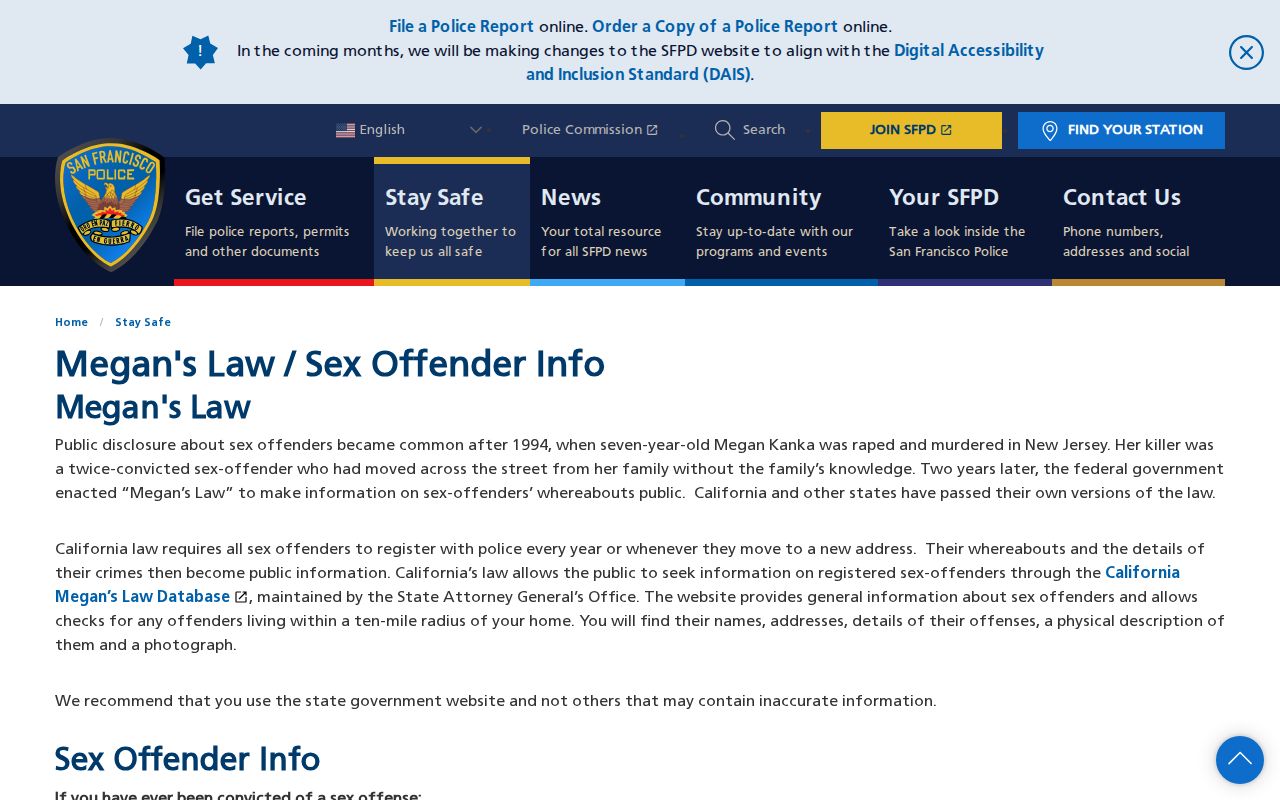
The local police page is an orientation source. The DOJ registry remains the place to run and verify the actual search.
Searching the California Megan's Law Website
The official registry supports person-based and place-based searches. It contains only the registrants and fields that California law authorizes DOJ to disclose. Accept the terms, choose a search path, and compare enough identifiers to avoid confusing people with similar names.
- Open the California Megan's Law Website and read and accept its use conditions.
- Search by name, or choose address, radius, city, ZIP code, San Francisco County, or map controls.
- Review results and compare photograph, birth date, physical description, and aliases.
- Open the profile and distinguish the registrable offense, location category, and released details.
| Field Label | Type | Required | Notes |
|---|---|---|---|
| Name | Text | No | Search by a registrant's disclosed name. |
| Address | Text | No | Starts an area search around a location. |
| City or ZIP | Text or select | No | Narrows results to San Francisco or a ZIP area. |
| County | Select | No | Choose San Francisco County. |
| Radius or map | Map control | No | SFPD describes checks within ten miles of a home. |
The California Megan's Law gateway presents its official disclaimer before search access.
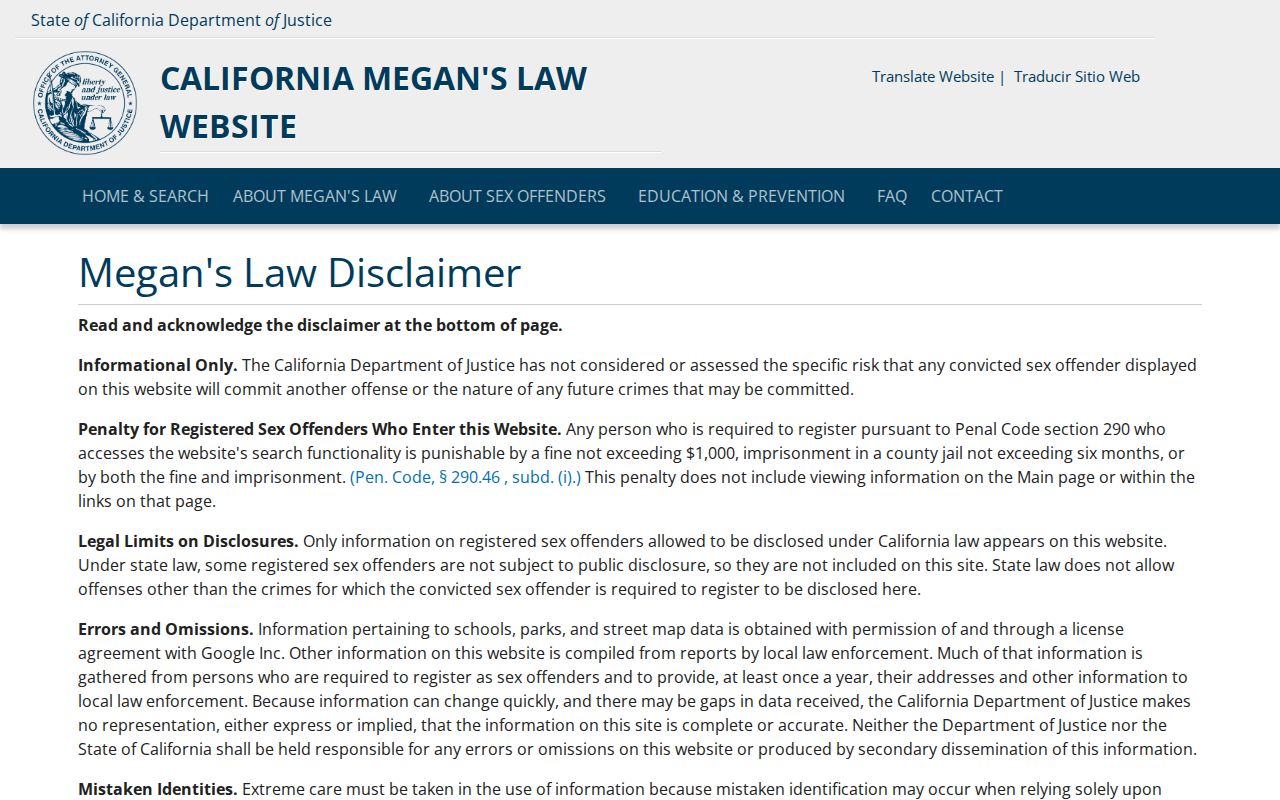
The notice is part of the process because public data has both disclosure limits and penalties for misuse.
San Francisco Registry Address Display
California uses different public location categories. A home-address category profile displays the full residence. A ZIP Code category profile shows ZIP code, city, and county without the street address. That difference does not signal an error. It reflects the posting category set by California law and DOJ's disclosure rules.
The DOJ summary of Megan's Law explains those public categories.
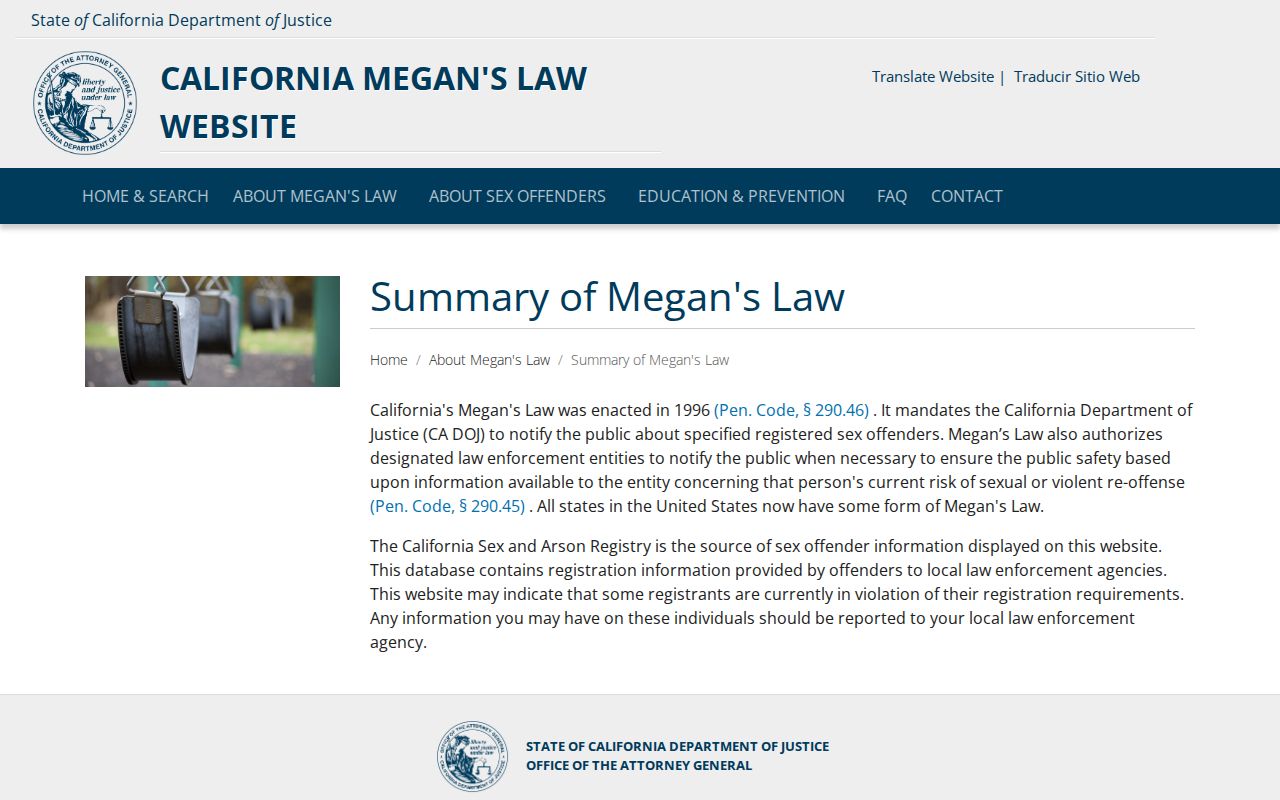
Read the profile's location as published instead of inferring a hidden San Francisco County street address.
What a Registry Profile Shows
A public profile is a focused registration record, not a full rap sheet. Penal Code section 290.46 permits specific identity, location, and registrable-offense fields. It does not permit the site to reveal every other offense in a person's history.
| Name and aliases | Published identity names used to distinguish the registrant. |
|---|---|
| Photo and description | Photograph plus released physical traits. |
| Date of birth | A key field for separating similar names. |
| Location | Full address or ZIP code, city, and county, based on posting category. |
| Registrable offense | Allowed offense details, conviction year, and most recent release year where provided. |
| Special finding | A sexually violent predator adjudication may appear when applicable. |
| Excluded material | Nonregistrable crimes, nondisclosable registrants, and juvenile ward data are not public. |
San Francisco Registry Search Gaps
Some people required to register are not posted publicly. DOJ states that only information allowed under California law appears, and juvenile ward registrants under Penal Code section 290.008 are not shown. The public website also cannot disclose crimes other than those that created the registration duty.
These limits explain why a registry search and a rap sheet answer different questions. The registry supports safety awareness about publicly disclosed registrants. A complete California summary history is restricted and available to the subject through fingerprint-based DOJ record review.
Note: A blank San Francisco County registry result cannot prove that no nondisclosable registrant or unreported violation exists.
Registration Requirements and Levels in California
California's tiers set minimum registration periods, while the public location category determines how an address appears. The researched official summary supports the durations below. The sources did not establish one verification frequency for every tier, so no schedule should be inferred from tier alone.
| Level or category | Duration or display | Public effect |
|---|---|---|
| Tier one | Minimum 10 years | Posting depends on section 290.46. |
| Tier two | Minimum 20 years | Posting depends on section 290.46. |
| Tier three | Lifetime | Tier three registrants are generally publicly listed. |
| Home address category | Full address display | Publishes the residence address. |
| ZIP Code category | City, county, and ZIP | Does not publish the street address. |
San Francisco Registry Searches Across States
A wider search helps when a person moved or a safety check crosses state lines. The federal National Sex Offender Public Website searches participating public registries. It accepts first and last name, county, city or town, and up to five ZIP codes separated by spaces. Users can select all states, territories, and Indian Country.
The NSOPW public registry search shows those national fields.
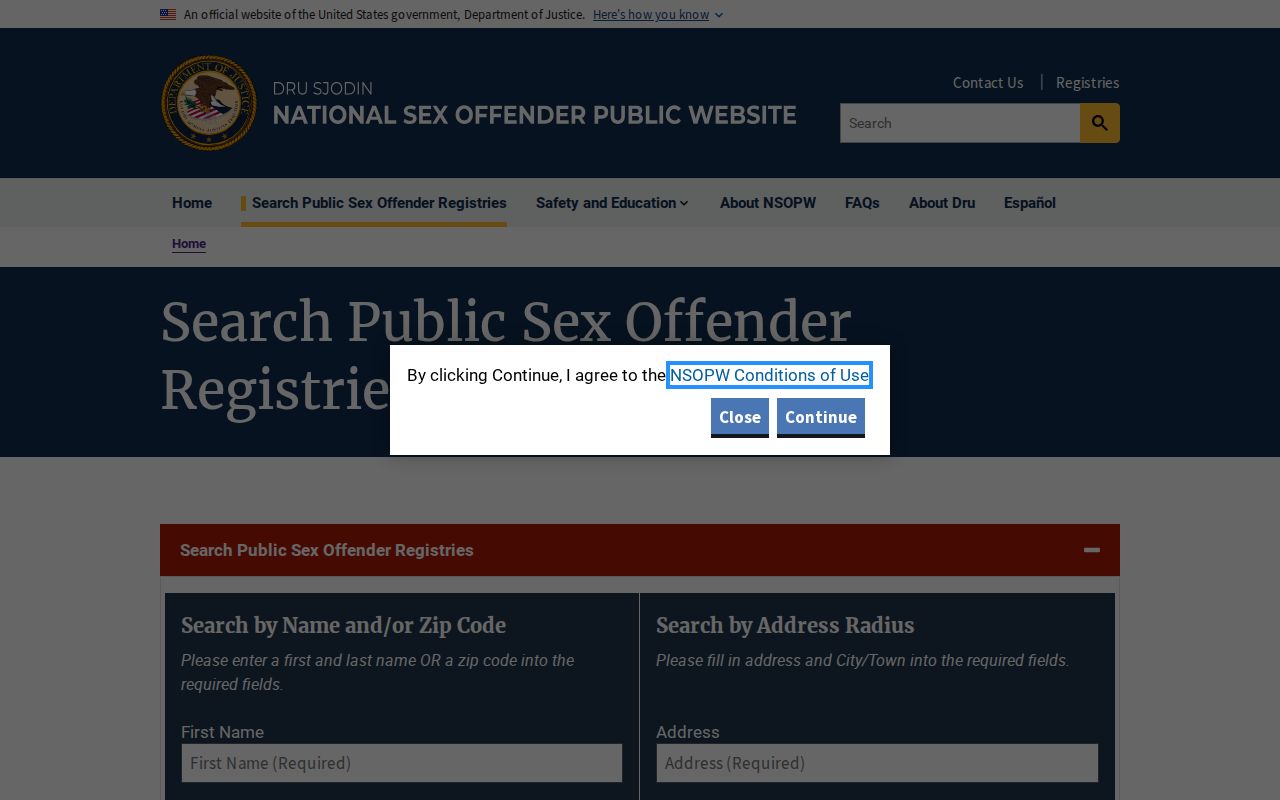
NSOPW broadens reach, but each record still follows its home jurisdiction's disclosure rules. Verify California results on the state site.
Lawful Use and Community Notification
Registry information supports personal, family, and neighborhood safety planning. Use it to understand a disclosed location and offense, then contact law enforcement about an immediate threat or suspected registration violation. Do not confront a registrant, publish private inferences, or use the data to threaten or harass a person or household.
Misuse is a crime: California Penal Code section 290.46 governs the site and its penalties. Misuse to commit a misdemeanor can add a $10,000 to $50,000 fine; misuse to commit a felony can add five years in prison.
The DOJ penalties page places those consequences beside the registry rules.
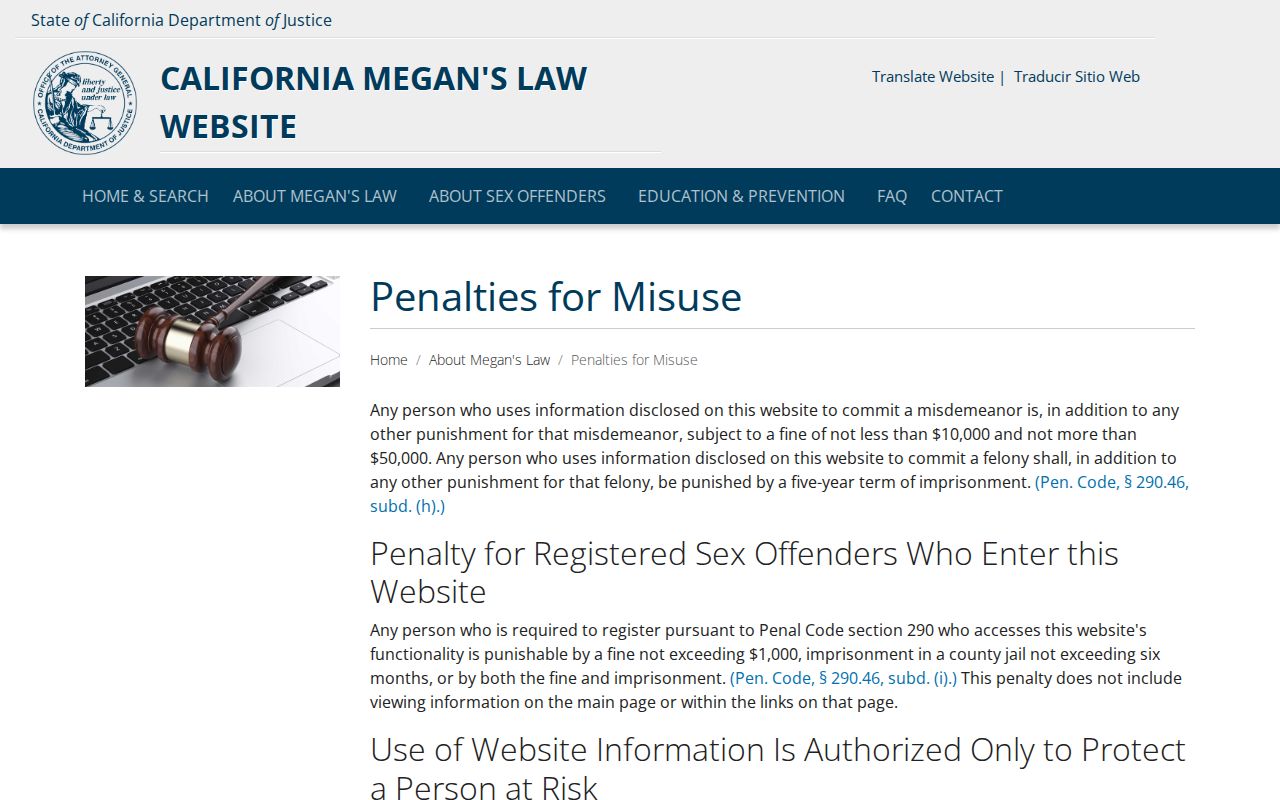
California also penalizes a person required to register who accesses the site's search function, with a possible fine, jail term, or both.
Report a San Francisco Registry Concern
The sources did not identify a public San Francisco registration appointment office or local compliance list. For a suspected violation or safety concern, use official SFPD channels rather than attempting to investigate. SFPD's main number is 415-837-7000 and its non-emergency line is 415-553-0123. Call emergency services for an immediate threat.
Give police the profile URL or displayed name, observed issue, place, and time, and avoid assumptions about facts the registry does not publish. DOJ controls the public profile, while local law enforcement handles reports and registration compliance. This division keeps community reporting separate from confrontation.